
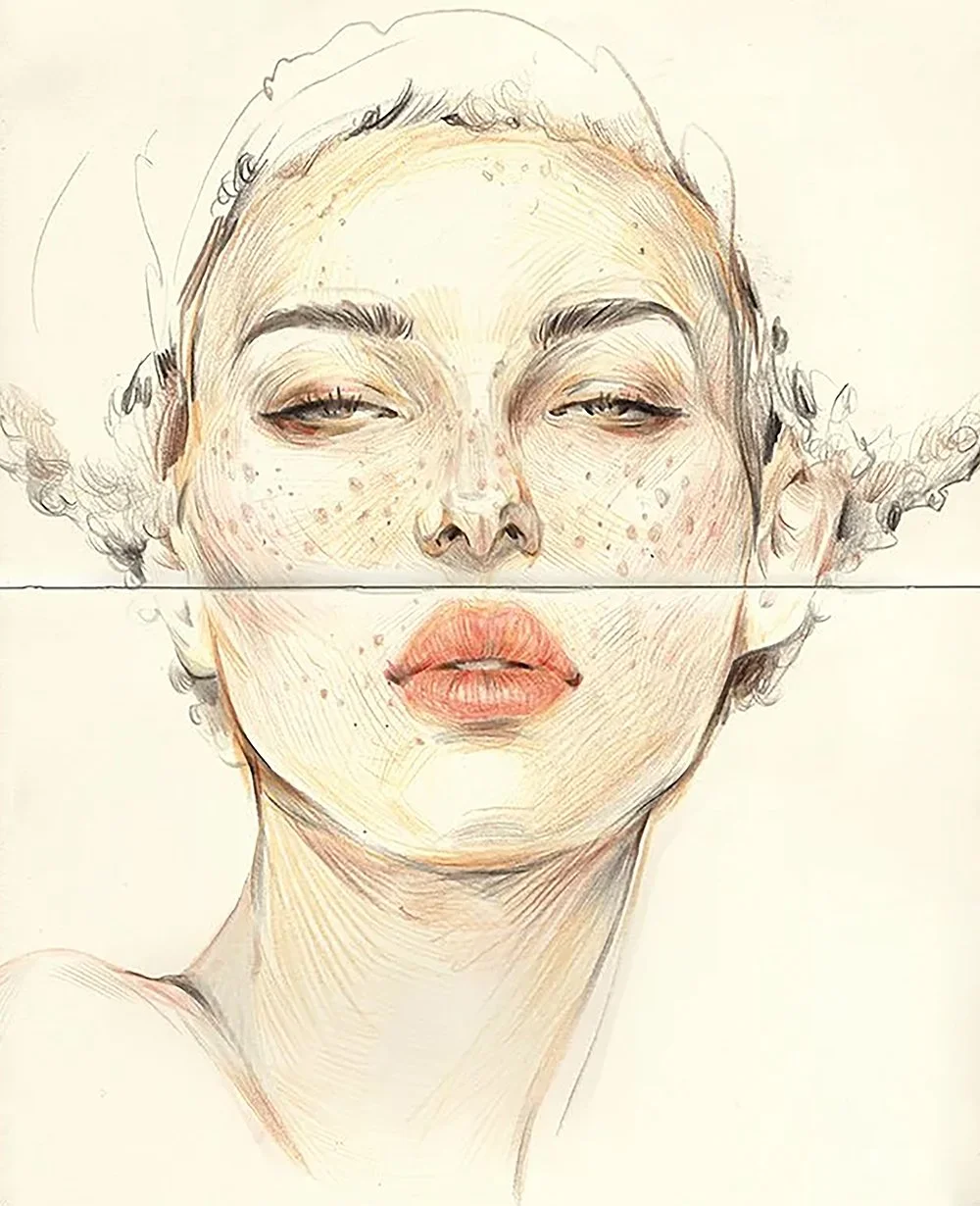
The Connie Lim Method Part 1
Write an introduction that summarizes the expected outcomes of this course.
-
-
Introduction
Introduce your lesson with an optional, short summary. You can edit this excerpt in lesson settings.
Introduce your lesson with an optional, short summary. You can edit this excerpt in lesson settings.
-
Materials
In this lesson, I’ll walk you through the materials I use in my fashion life drawing practice and teaching. You don’t need expensive tools to draw expressively — what matters most is choosing materials that help you loosen up, observe better, and enjoy the process.
This lesson is about understanding why certain materials work, so you can adapt them to your own style and workflow. Feel free to pause the video, test things out, and make this setup your own.
In this lesson, I’ll walk you through the materials I use in my fashion life drawing practice and teaching. You don’t need expensive tools to draw expressively — what matters most is choosing materials that help you loosen up, observe better, and enjoy the process.
This lesson is about understanding why certain materials work, so you can adapt them to your own style and workflow. Feel free to pause the video, test things out, and make this setup your own.
-
Meet your instructor
Connie Lim is a professional illustrator and designer from Los Angeles, California. She has trained at prestigious universities such as Art Center College of Art and Design Pasadena (Illustration, 2008) and UAL’s Central Saint Martins in London (Fashion Design with Marketing, 2013). As an artist specializing in fashion, she merged her two love of illustration and fashion design to create unique and striking images with a strong personal vision.
Connie Lim is a professional illustrator and designer from Los Angeles, California. She has trained at prestigious universities such as Art Center College of Art and Design Pasadena (Illustration, 2008) and UAL’s Central Saint Martins in London (Fashion Design with Marketing, 2013). As an artist specializing in fashion, she merged her two love of illustration and fashion design to create unique and striking images with a strong personal vision.
-
A word before we start..
This course is a stepping stone to your creative drawing journey. By no means are you expected to be amazing drawers by day 1 or even by day 30 (so no pressure to be perfect!). However, I ask you to be open to try new things. You will most likely not enjoy all the sessions that are offered but will find that you prefer some techniques or lessons more than others.
This course is a stepping stone to your creative drawing journey. By no means are you expected to be amazing drawers by day 1 or even by day 30 (so no pressure to be perfect!). However, I ask you to be open to try new things. You will most likely not enjoy all the sessions that are offered but will find that you prefer some techniques or lessons more than others.
-
A quick tip before we start the course!
-
-
-
Lesson 1: Lines Weights (light, medium, dark)
Lines are really important to understand and master! It is the fundamental basic tool we use in our everyday lives to communicate. We write, sketch, draw, doodle to get our ideas down and we do it daily.
Lines are really important to understand and master! It is the fundamental basic tool we use in our everyday lives to communicate. We write, sketch, draw, doodle to get our ideas down and we do it daily.
-
Lesson 1: Lines Quality
If you use the same line weight, then your drawing will look quite flat. However, if the graphic and flat aesthetic is what you want to go for, then by all means, you’re welcome to. It definitely changes the mood.
If you use the same line weight, then your drawing will look quite flat. However, if the graphic and flat aesthetic is what you want to go for, then by all means, you’re welcome to. It definitely changes the mood.
-
Lesson 1: Markmaking
Now that we understand line quality, we can use it for various marks and mark making. We can use the line in many different ways. Different marks evoke different emotions. Soft flowy lines can represent feminine energy while harsh strong lines can suggest masculinity. When I was studying character design, I learned that for the villain you used pointy jagged areas and rounded edges for the hero.
Now that we understand line quality, we can use it for various marks and mark making. We can use the line in many different ways. Different marks evoke different emotions. Soft flowy lines can represent feminine energy while harsh strong lines can suggest masculinity. When I was studying character design, I learned that for the villain you used pointy jagged areas and rounded edges for the hero.
-
Let’s practice your lines based on the lesson 1.
-
Lesson 1: Recommended Homework
Get a whatever sketchbook! You have to warm up and stretch before working out doing your exercises. This sketchbook is that warm up. You’er warming up your hand and muscles and practicing the pressure points for your line quality. Try to do this everyday and you will build up your confidence with putting line to page. (Getting over the fear of the blank page!)
Get a whatever sketchbook! You have to warm up and stretch before working out doing your exercises. This sketchbook is that warm up. You’er warming up your hand and muscles and practicing the pressure points for your line quality. Try to do this everyday and you will build up your confidence with putting line to page. (Getting over the fear of the blank page!)
-
Lesson 2: Planes and Shapes
If you want to draw something that looks realistic, it’s crucial to understand that you are trying to create 3D volume and form on a 2D flat surface.
If you want to draw something that looks realistic, it’s crucial to understand that you are trying to create 3D volume and form on a 2D flat surface.
-
Lesson 2: Planes to create 3D shapes
An easy way to create form is to duplicate the same shape and connect the corners. See example below. This will be useful when we go over foreshortening.
An easy way to create form is to duplicate the same shape and connect the corners. See example below. This will be useful when we go over foreshortening.
-
Lesson 2: Contour lines
These lines are called contour lines. They follow the form of the object and can run in any direction along the surface of the object to help you visualise the illusion of form.
These lines are called contour lines. They follow the form of the object and can run in any direction along the surface of the object to help you visualise the illusion of form.
-
Lesson 2: Creating Volume
You can use the contour lines to flesh out the volume but notice if you use straight lines in the example below. The first leg is using straight lines and appears flat vs the curved lines which create the 3D form.
You can use the contour lines to flesh out the volume but notice if you use straight lines in the example below. The first leg is using straight lines and appears flat vs the curved lines which create the 3D form.
-
Lesson 2: Creating Movement
You can influence the way an object is perceived by manipulating your contour lines. This process definitely comes with practise but see the example below and how simply changing the contour lines inside the same exact shape creates a totally different drawing.
You can influence the way an object is perceived by manipulating your contour lines. This process definitely comes with practise but see the example below and how simply changing the contour lines inside the same exact shape creates a totally different drawing.
-
Lesson 2: Recommended Homework
Practice your lines into shapes / 3D objects.
Create some shapes (geometric and organic) and turn them into 3D shapes. Think about planes and angles.
Take some reference images or live objects and draw them in flat 2D shapes. Then add your contour lines. Play around with your contour lines and see how manipulating them in different ways and directions can change the overall look and feel of your object.
Practice your lines into shapes / 3D objects.
Create some shapes (geometric and organic) and turn them into 3D shapes. Think about planes and angles.
Take some reference images or live objects and draw them in flat 2D shapes. Then add your contour lines. Play around with your contour lines and see how manipulating them in different ways and directions can change the overall look and feel of your object.
-
Lesson 3: Shading
When I was studying illustration I was always confused about how to shade and where to shade..it just seemed very complex to understand and I’ve always had trouble with it. But in fashion we don’t need to be so picky if the shadows are totally correct. However, I do want to touch up on it because they do help give your work more depth and realism with a range of tonal values.
When I was studying illustration I was always confused about how to shade and where to shade..it just seemed very complex to understand and I’ve always had trouble with it. But in fashion we don’t need to be so picky if the shadows are totally correct. However, I do want to touch up on it because they do help give your work more depth and realism with a range of tonal values.
-
Lesson 3: Creating Values with Lines
I chose 4 to help you understand values simplified from light, medium, medium dark, and dark. Starting with the lightest colour which I chose pink as it alleviates the pressure of trying to get that perfect line in the beginning. The beginning first line is called the ‘lay-in’ where we can mark and put down guide points or a quick overall gesture.
I chose 4 to help you understand values simplified from light, medium, medium dark, and dark. Starting with the lightest colour which I chose pink as it alleviates the pressure of trying to get that perfect line in the beginning. The beginning first line is called the ‘lay-in’ where we can mark and put down guide points or a quick overall gesture.
-
Lesson 3: Gradation
Gradate from dark to light and vice versa as seen in the example below. We're not here to be perfect realist illustrators that need to chisel out perfection and accurate shadows but instead we can manipulate gradation to benefit the drawing to portray more depth. So this is a series of soft lines that go in one general direction and you can use it to shade just the anything.
Gradate from dark to light and vice versa as seen in the example below. We're not here to be perfect realist illustrators that need to chisel out perfection and accurate shadows but instead we can manipulate gradation to benefit the drawing to portray more depth. So this is a series of soft lines that go in one general direction and you can use it to shade just the anything.
-
Lesson 3: Hatching + Cross Hatching
Hatching and cross hatching is probably the most well known ancient technique and what Da Vinci is well known for. Basically, you overlap lines at various angles to create a ‘knitted texture’. It's useful for drawing fabrics like wovens including denim. You can play with the woven count by spacing the lines apart or tightening them by bringing them closer together.
Hatching and cross hatching is probably the most well known ancient technique and what Da Vinci is well known for. Basically, you overlap lines at various angles to create a ‘knitted texture’. It's useful for drawing fabrics like wovens including denim. You can play with the woven count by spacing the lines apart or tightening them by bringing them closer together.
-
Lesson 3: Organic Shading
Organic Shading
Instead of using straight lines, I am using organic circular lines to create more fuzzy texture and soft edges. This is great for teddy bear jackets, shearling collars, and just for a softer surface.a
Organic Shading
Instead of using straight lines, I am using organic circular lines to create more fuzzy texture and soft edges. This is great for teddy bear jackets, shearling collars, and just for a softer surface.a
-
Lesson 3: Recommended Homework
Combining shading techniques
It's perfectly normal to use several shading techniques in one drawing. Using a variety of these techniques can help you create and interpret various fabrics, moods, and colours. It’s quite exciting to see all the combinations that you can utilise! Have a look at the drawing below and you can identify which techniques I used in which areas. Hopefully this can give you insight into how you approach your own illustrations
Combining shading techniques
It's perfectly normal to use several shading techniques in one drawing. Using a variety of these techniques can help you create and interpret various fabrics, moods, and colours. It’s quite exciting to see all the combinations that you can utilise! Have a look at the drawing below and you can identify which techniques I used in which areas. Hopefully this can give you insight into how you approach your own illustrations
-
-
-
The Front Face Template
In this lesson, we explore the front face in fashion illustration, starting with the skull as the foundation. Understanding the structure beneath the features helps you create faces that are not only proportionate but full of expression, beauty, and style. You’ll learn how to approach the front face step by step, from analyzing anatomy to adding the details that bring your illustrations to life.
In this lesson, we explore the front face in fashion illustration, starting with the skull as the foundation. Understanding the structure beneath the features helps you create faces that are not only proportionate but full of expression, beauty, and style. You’ll learn how to approach the front face step by step, from analyzing anatomy to adding the details that bring your illustrations to life.
-
Varied Front Faces
In this lesson, we explore the front face in fashion illustration, starting with the skull as the foundation. Understanding the structure beneath the features helps you create faces that are not only proportionate but full of expression, beauty, and style. You’ll learn how to approach the front face step by step, from analyzing anatomy to adding the details that bring your illustrations to life.
In this lesson, we explore the front face in fashion illustration, starting with the skull as the foundation. Understanding the structure beneath the features helps you create faces that are not only proportionate but full of expression, beauty, and style. You’ll learn how to approach the front face step by step, from analyzing anatomy to adding the details that bring your illustrations to life.
-
The Profile Face
In this lesson, we explore the front face in fashion illustration, starting with the skull as the foundation. Understanding the structure beneath the features helps you create faces that are not only proportionate but full of expression, beauty, and style. You’ll learn how to approach the front face step by step, from analyzing anatomy to adding the details that bring your illustrations to life.
In this lesson, we explore the front face in fashion illustration, starting with the skull as the foundation. Understanding the structure beneath the features helps you create faces that are not only proportionate but full of expression, beauty, and style. You’ll learn how to approach the front face step by step, from analyzing anatomy to adding the details that bring your illustrations to life.
-
The 3/4 Angle Face
In this lesson, we explore the front face in fashion illustration, starting with the skull as the foundation. Understanding the structure beneath the features helps you create faces that are not only proportionate but full of expression, beauty, and style. You’ll learn how to approach the front face step by step, from analyzing anatomy to adding the details that bring your illustrations to life.
In this lesson, we explore the front face in fashion illustration, starting with the skull as the foundation. Understanding the structure beneath the features helps you create faces that are not only proportionate but full of expression, beauty, and style. You’ll learn how to approach the front face step by step, from analyzing anatomy to adding the details that bring your illustrations to life.
-
The 3/4 Angle Face from Reference
In this lesson, we explore the front face in fashion illustration, starting with the skull as the foundation. Understanding the structure beneath the features helps you create faces that are not only proportionate but full of expression, beauty, and style. You’ll learn how to approach the front face step by step, from analyzing anatomy to adding the details that bring your illustrations to life.
In this lesson, we explore the front face in fashion illustration, starting with the skull as the foundation. Understanding the structure beneath the features helps you create faces that are not only proportionate but full of expression, beauty, and style. You’ll learn how to approach the front face step by step, from analyzing anatomy to adding the details that bring your illustrations to life.
-
Extra Demo / Side Back Angle
In this lesson, we explore the front face in fashion illustration, starting with the skull as the foundation. Understanding the structure beneath the features helps you create faces that are not only proportionate but full of expression, beauty, and style. You’ll learn how to approach the front face step by step, from analyzing anatomy to adding the details that bring your illustrations to life.
In this lesson, we explore the front face in fashion illustration, starting with the skull as the foundation. Understanding the structure beneath the features helps you create faces that are not only proportionate but full of expression, beauty, and style. You’ll learn how to approach the front face step by step, from analyzing anatomy to adding the details that bring your illustrations to life.
-
Extra Demo / Tilted Upward
In this lesson, we explore the front face in fashion illustration, starting with the skull as the foundation. Understanding the structure beneath the features helps you create faces that are not only proportionate but full of expression, beauty, and style. You’ll learn how to approach the front face step by step, from analyzing anatomy to adding the details that bring your illustrations to life.
In this lesson, we explore the front face in fashion illustration, starting with the skull as the foundation. Understanding the structure beneath the features helps you create faces that are not only proportionate but full of expression, beauty, and style. You’ll learn how to approach the front face step by step, from analyzing anatomy to adding the details that bring your illustrations to life.
-
Faces: Recommended Homework
In this lesson, we explore the front face in fashion illustration, starting with the skull as the foundation. Understanding the structure beneath the features helps you create faces that are not only proportionate but full of expression, beauty, and style. You’ll learn how to approach the front face step by step, from analyzing anatomy to adding the details that bring your illustrations to life.
In this lesson, we explore the front face in fashion illustration, starting with the skull as the foundation. Understanding the structure beneath the features helps you create faces that are not only proportionate but full of expression, beauty, and style. You’ll learn how to approach the front face step by step, from analyzing anatomy to adding the details that bring your illustrations to life.
-
-
-
Elements of the Face: Eyes
This lesson breaks down the key elements of the face—eyes, nose, mouth, and ears—so you can understand how each feature is structured and how they work together. By studying proportion, placement, and anatomy, you’ll gain confidence in drawing expressive, balanced faces that feel natural and stylish in your fashion illustrations.
This lesson breaks down the key elements of the face—eyes, nose, mouth, and ears—so you can understand how each feature is structured and how they work together. By studying proportion, placement, and anatomy, you’ll gain confidence in drawing expressive, balanced faces that feel natural and stylish in your fashion illustrations.
-
Elements of the Face: Nose
This lesson breaks down the key elements of the face—eyes, nose, mouth, and ears—so you can understand how each feature is structured and how they work together. By studying proportion, placement, and anatomy, you’ll gain confidence in drawing expressive, balanced faces that feel natural and stylish in your fashion illustrations.
This lesson breaks down the key elements of the face—eyes, nose, mouth, and ears—so you can understand how each feature is structured and how they work together. By studying proportion, placement, and anatomy, you’ll gain confidence in drawing expressive, balanced faces that feel natural and stylish in your fashion illustrations.
-
Elements of the Face: Mouth
This lesson breaks down the key elements of the face—eyes, nose, mouth, and ears—so you can understand how each feature is structured and how they work together. By studying proportion, placement, and anatomy, you’ll gain confidence in drawing expressive, balanced faces that feel natural and stylish in your fashion illustrations.
This lesson breaks down the key elements of the face—eyes, nose, mouth, and ears—so you can understand how each feature is structured and how they work together. By studying proportion, placement, and anatomy, you’ll gain confidence in drawing expressive, balanced faces that feel natural and stylish in your fashion illustrations.
-
Elements of the Face: Ears
This lesson breaks down the key elements of the face—eyes, nose, mouth, and ears—so you can understand how each feature is structured and how they work together. By studying proportion, placement, and anatomy, you’ll gain confidence in drawing expressive, balanced faces that feel natural and stylish in your fashion illustrations.
This lesson breaks down the key elements of the face—eyes, nose, mouth, and ears—so you can understand how each feature is structured and how they work together. By studying proportion, placement, and anatomy, you’ll gain confidence in drawing expressive, balanced faces that feel natural and stylish in your fashion illustrations.
-
Elements of the Face: The hair
This lesson breaks down the key elements of the face—eyes, nose, mouth, and ears—so you can understand how each feature is structured and how they work together. By studying proportion, placement, and anatomy, you’ll gain confidence in drawing expressive, balanced faces that feel natural and stylish in your fashion illustrations.
This lesson breaks down the key elements of the face—eyes, nose, mouth, and ears—so you can understand how each feature is structured and how they work together. By studying proportion, placement, and anatomy, you’ll gain confidence in drawing expressive, balanced faces that feel natural and stylish in your fashion illustrations.
-
-
-
Fashion Hands Explained (BONUS!)
Hands can transform a fashion illustration — they add personality, elegance, and movement to your figure. In this lesson from The Connie Lim Method, I show you how to draw fashion hands with confidence, from understanding their proportions to capturing the graceful, expressive gestures that bring your illustrations to life. An essential skill for anyone refining their fashion illustration and figure drawing technique.
Hands can transform a fashion illustration — they add personality, elegance, and movement to your figure. In this lesson from The Connie Lim Method, I show you how to draw fashion hands with confidence, from understanding their proportions to capturing the graceful, expressive gestures that bring your illustrations to life. An essential skill for anyone refining their fashion illustration and figure drawing technique.
-
Fashion Hands - Catwalk
Hands can transform a fashion illustration — they add personality, elegance, and movement to your figure. In this lesson from The Connie Lim Method, I show you how to draw fashion hands with confidence, from understanding their proportions to capturing the graceful, expressive gestures that bring your illustrations to life. An essential skill for anyone refining their fashion illustration and figure drawing technique.
Hands can transform a fashion illustration — they add personality, elegance, and movement to your figure. In this lesson from The Connie Lim Method, I show you how to draw fashion hands with confidence, from understanding their proportions to capturing the graceful, expressive gestures that bring your illustrations to life. An essential skill for anyone refining their fashion illustration and figure drawing technique.
-
Fashion Hands
Hands can transform a fashion illustration — they add personality, elegance, and movement to your figure. In this lesson from The Connie Lim Method, I show you how to draw fashion hands with confidence, from understanding their proportions to capturing the graceful, expressive gestures that bring your illustrations to life. An essential skill for anyone refining their fashion illustration and figure drawing technique.
Hands can transform a fashion illustration — they add personality, elegance, and movement to your figure. In this lesson from The Connie Lim Method, I show you how to draw fashion hands with confidence, from understanding their proportions to capturing the graceful, expressive gestures that bring your illustrations to life. An essential skill for anyone refining their fashion illustration and figure drawing technique.
-
Fashion Front Feet
Feet and shoes are where fashion illustration really comes to life — the right pose and footwear can define your entire figure. In this lesson from The Connie Lim Method, I show you how to draw fashion feet and shoes with confidence, from understanding their proportions and angles to capturing the elegance of heels, flats, and statement footwear. An essential skill for anyone refining their fashion illustration and figure drawing technique.
Feet and shoes are where fashion illustration really comes to life — the right pose and footwear can define your entire figure. In this lesson from The Connie Lim Method, I show you how to draw fashion feet and shoes with confidence, from understanding their proportions and angles to capturing the elegance of heels, flats, and statement footwear. An essential skill for anyone refining their fashion illustration and figure drawing technique.
-
Fashion Profile Feet / Three Quarter
Feet and shoes are where fashion illustration really comes to life — the right pose and footwear can define your entire figure. In this lesson from The Connie Lim Method, I show you how to draw fashion feet and shoes with confidence, from understanding their proportions and angles to capturing the elegance of heels, flats, and statement footwear. An essential skill for anyone refining their fashion illustration and figure drawing technique.
Feet and shoes are where fashion illustration really comes to life — the right pose and footwear can define your entire figure. In this lesson from The Connie Lim Method, I show you how to draw fashion feet and shoes with confidence, from understanding their proportions and angles to capturing the elegance of heels, flats, and statement footwear. An essential skill for anyone refining their fashion illustration and figure drawing technique.
-
Fashion Hands + Feet Homework
Hands can transform a fashion illustration — they add personality, elegance, and movement to your figure. In this lesson from The Connie Lim Method, I show you how to draw fashion hands with confidence, from understanding their proportions to capturing the graceful, expressive gestures that bring your illustrations to life. An essential skill for anyone refining their fashion illustration and figure drawing technique.
Hands can transform a fashion illustration — they add personality, elegance, and movement to your figure. In this lesson from The Connie Lim Method, I show you how to draw fashion hands with confidence, from understanding their proportions to capturing the graceful, expressive gestures that bring your illustrations to life. An essential skill for anyone refining their fashion illustration and figure drawing technique.
-
-
-
Thank you!
Congratulations on completing Part 1 of The Connie Lim Method! In this final lesson, I share a little thank you for joining me on this fashion illustration journey so far. If you've loved learning the fundamentals and want to take your skills further, head over to Part 2 — where we dive deeper into anatomy, figure drawing, and refining your unique fashion illustration style.
Congratulations on completing Part 1 of The Connie Lim Method! In this final lesson, I share a little thank you for joining me on this fashion illustration journey so far. If you've loved learning the fundamentals and want to take your skills further, head over to Part 2 — where we dive deeper into anatomy, figure drawing, and refining your unique fashion illustration style.
-